
The Golden Age of Dress Watches
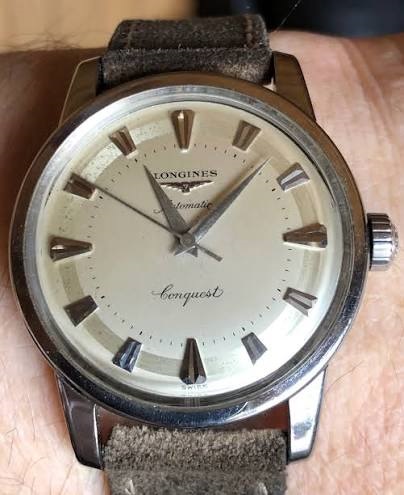
The 1950s and 1960s occupy a special place in the history of the wristwatch. In the years after the Second World War, Swiss watchmaking combined increasingly sophisticated mechanical movements with a remarkably restrained approach to design.
Longines, Omega, Universal Genève, Zenith, IWC and many other manufacturers produced watches whose elegance came not from size or complexity, but from proportion. Cases were generally compact, bezels thin, dials open and details carefully controlled.
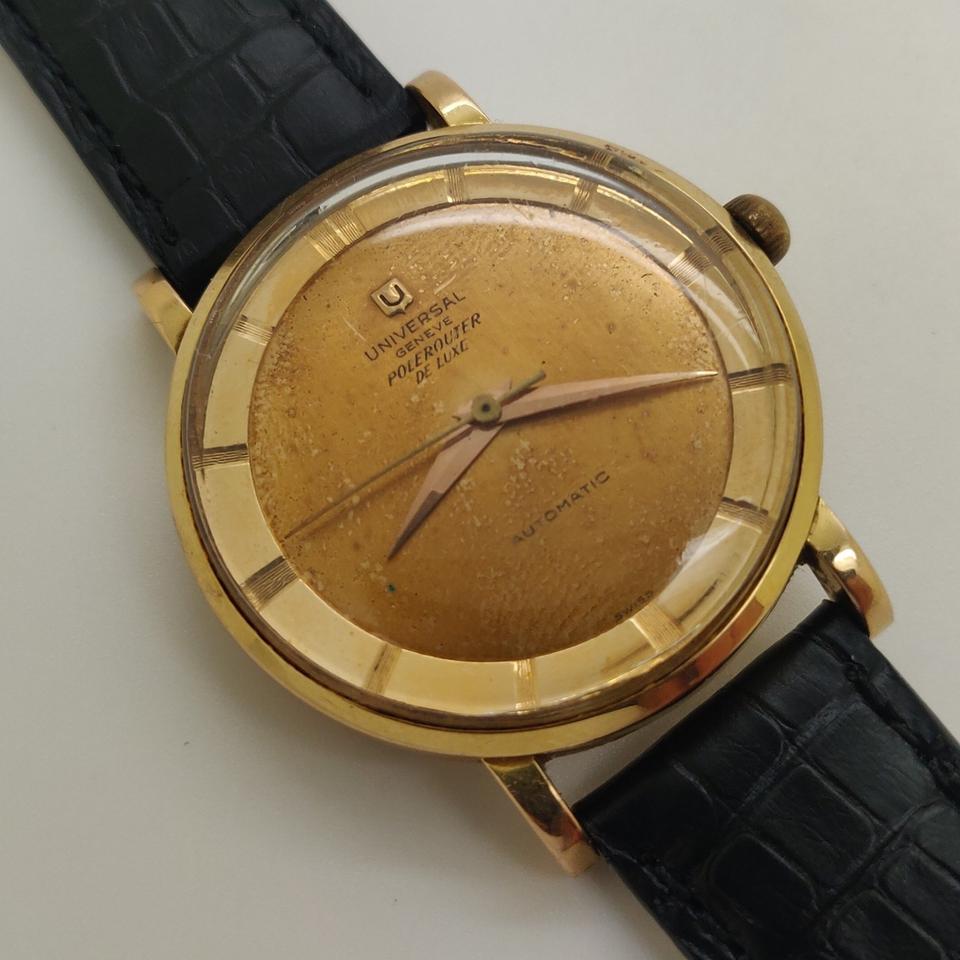
Many of the watches that define the period are still immediately recognisable today. Longines introduced the Conquest in 1954; Universal Genève unveiled the Polerouter that same year; Omega’s Constellation had appeared shortly before, while IWC combined understated design with movements such as the celebrated calibre 89 and, from 1955, the automatic Ingenieur.
Zenith followed the same broad culture of refined Swiss watchmaking. These watches could differ greatly in construction and purpose, yet they shared a visual language: applied indexes, dauphine or baton hands, restrained typography, slim cases and dials designed around clarity rather than decoration.
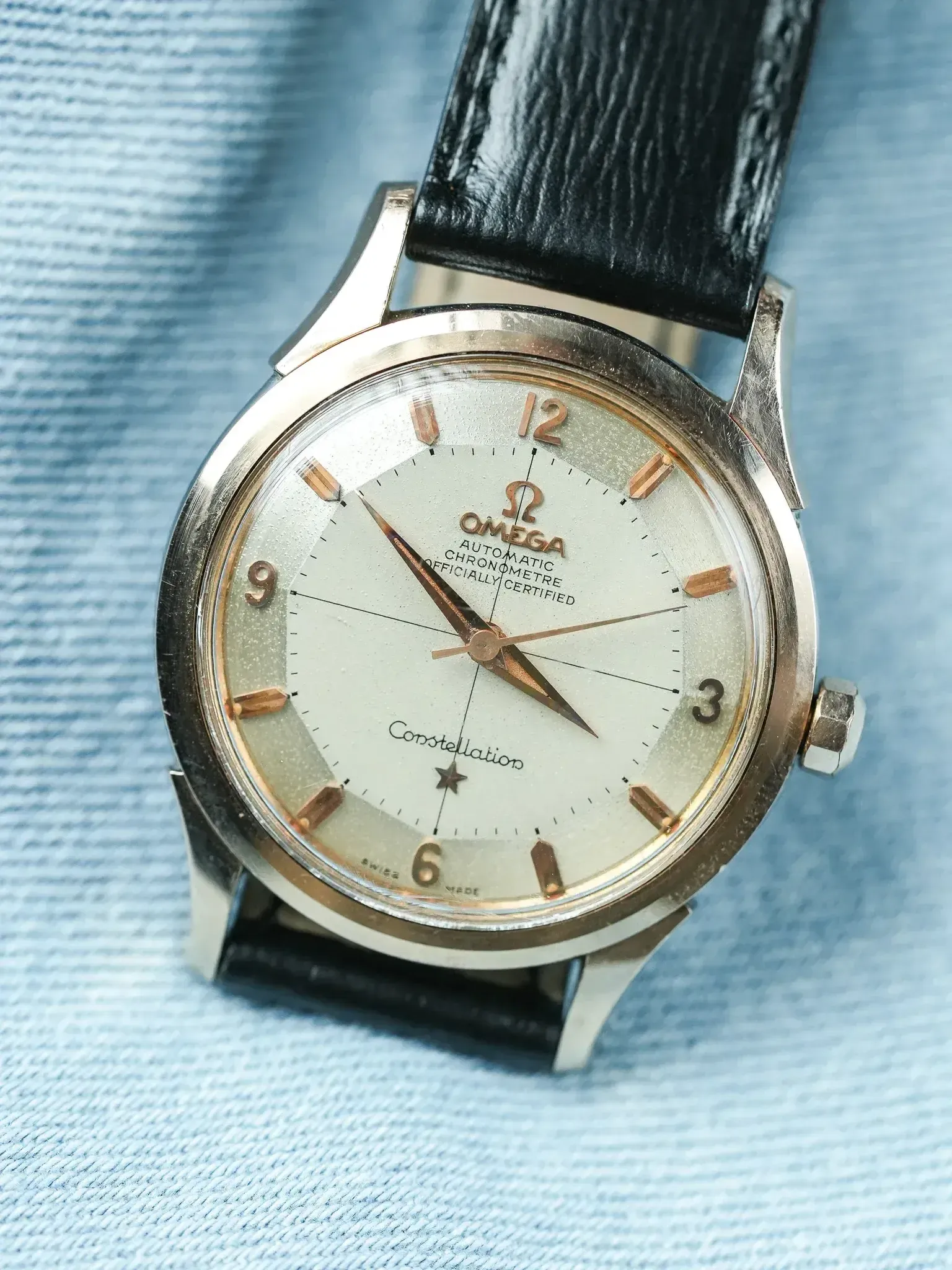
That restraint is one reason the period remains so influential. A good watch from the 1950s or early 1960s rarely announces its age through an extravagant stylistic gesture. Remove the patina and many of those designs could still be worn today without appearing theatrical or nostalgic. Their proportions were created for the wrist rather than for visual impact in an advertisement, and even technical progress — automatic winding, improved shock protection, greater resistance to water and magnetism — was usually integrated without overwhelming the design.
This is perhaps the most enduring lesson of the golden age of the dress watch. Technology changes, movements improve and fashions move from small watches to oversized cases and back again. But the principles established during those decades remain remarkably difficult to improve upon: a balanced case, a clear dial, carefully shaped hands and just enough detail to give an object character. The finest watches of the 1950s and 1960s are still references today because they demonstrate that elegance does not require excess. It requires proportion.